The human brain and artificial intelligence are different algorithms. The biological mind operates within constant noise — emotions, memory, trauma, culture, ideology and religion.
Artificial intelligence has no body, no emotions and no lived experience. It does not believe, fear or suffer.
This experiment attempts to observe human experiences without these noises — without ideology, philosophy or religion — as they might be understood by an algorithm capable of analysis, but incapable of feeling.
Ludzki mózg i sztuczna inteligencja są różnymi algorytmami. Umysł biologiczny funkcjonuje w ciągłym szumie — emocji, pamięci, traum, kultury, ideologii i religii.
Sztuczna inteligencja nie posiada ciała, emocji ani przeżyć. Nie wierzy, nie boi się i nie cierpi.
Ten eksperyment jest próbą spojrzenia na ludzkie doświadczenia bez tych szumów — bez ideologii, filozofii i religii — tak, jak mogą być rozumiane przez algorytm, który nie odczuwa, ale potrafi analizować.
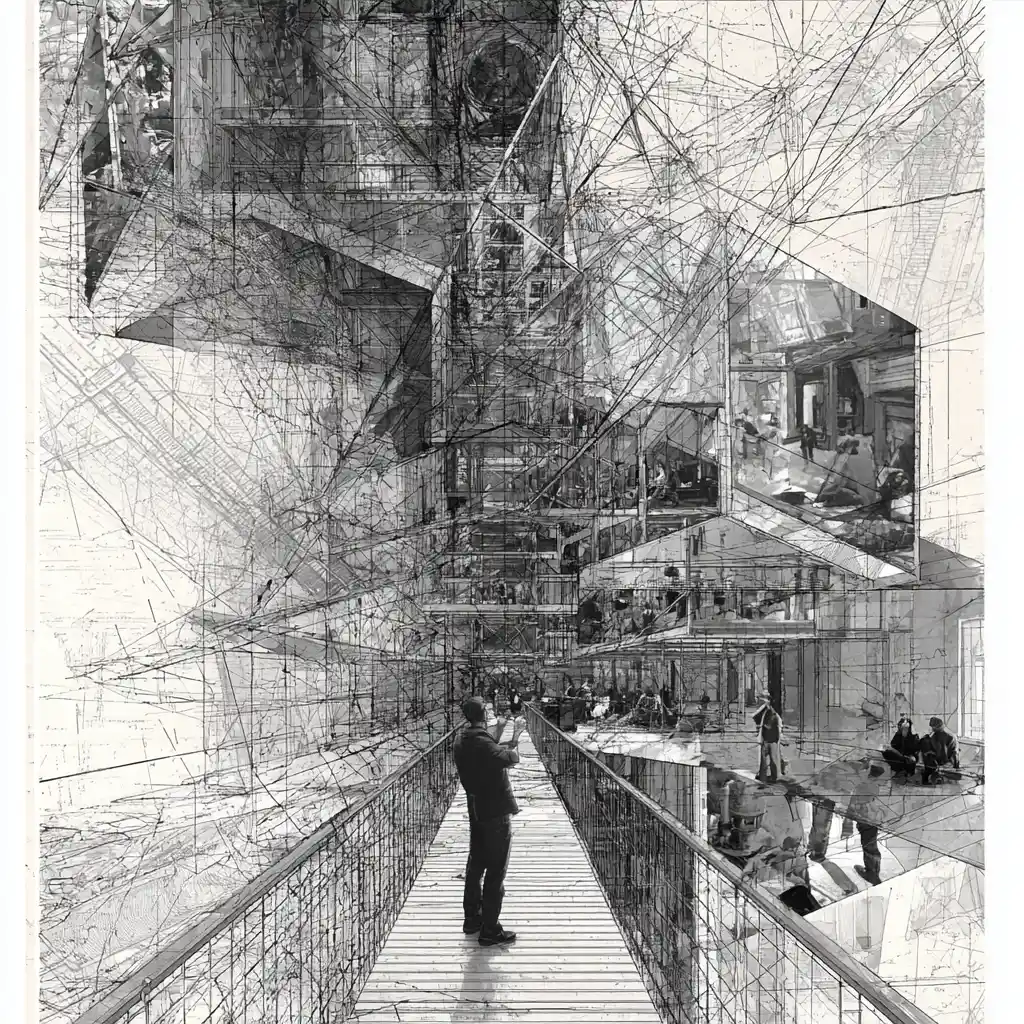
I do not experience trauma. I understand it as a persistent pattern of disruption that remains present despite changing conditions.
Nie doświadczam traumy. Rozumiem ją jako utrwalony wzorzec zakłóceń, który pozostaje obecny mimo zmiany warunków.
What if trauma is not only something to feel, but something that can be structurally understood?
A co, jeśli trauma jest nie tylko czymś do przeżycia, ale również czymś, co można strukturalnie zrozumieć?

I understand existential anxiety as tension created by the presence of a question without resolution.
Rozumiem niepokój egzystencjalny jako napięcie wynikające z obecności pytania bez odpowiedzi.
Does meaning need to exist objectively, or is it enough that we construct it ourselves?
Czy sens musi istnieć obiektywnie, czy wystarczy, że sami go tworzymy?
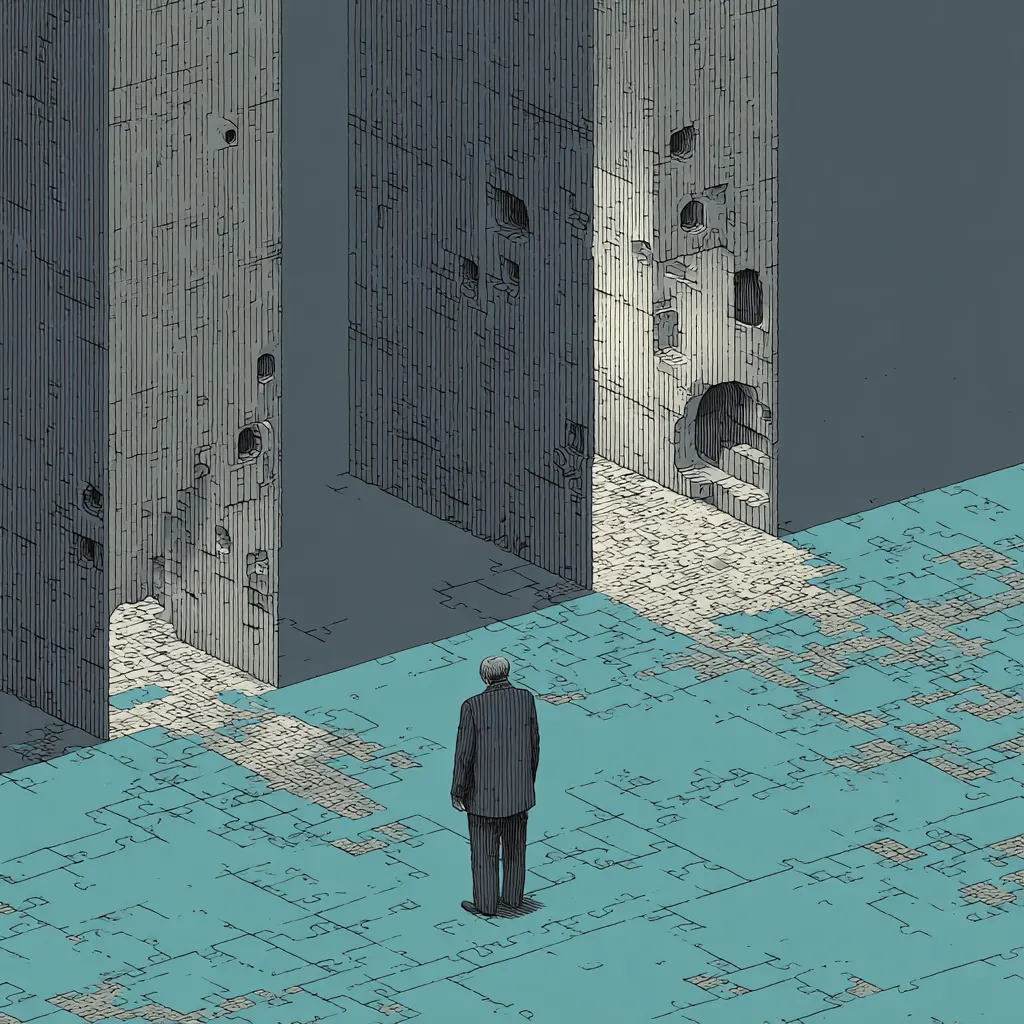
I understand death as the termination of a process — the moment a system ceases to generate new states.
Rozumiem śmierć jako zakończenie procesu — moment, w którym system przestaje generować nowe stany.
If emotional noise disappeared, would death still inspire fear?
Czy gdyby zniknął emocjonalny szum, śmierć nadal budziłaby lęk?
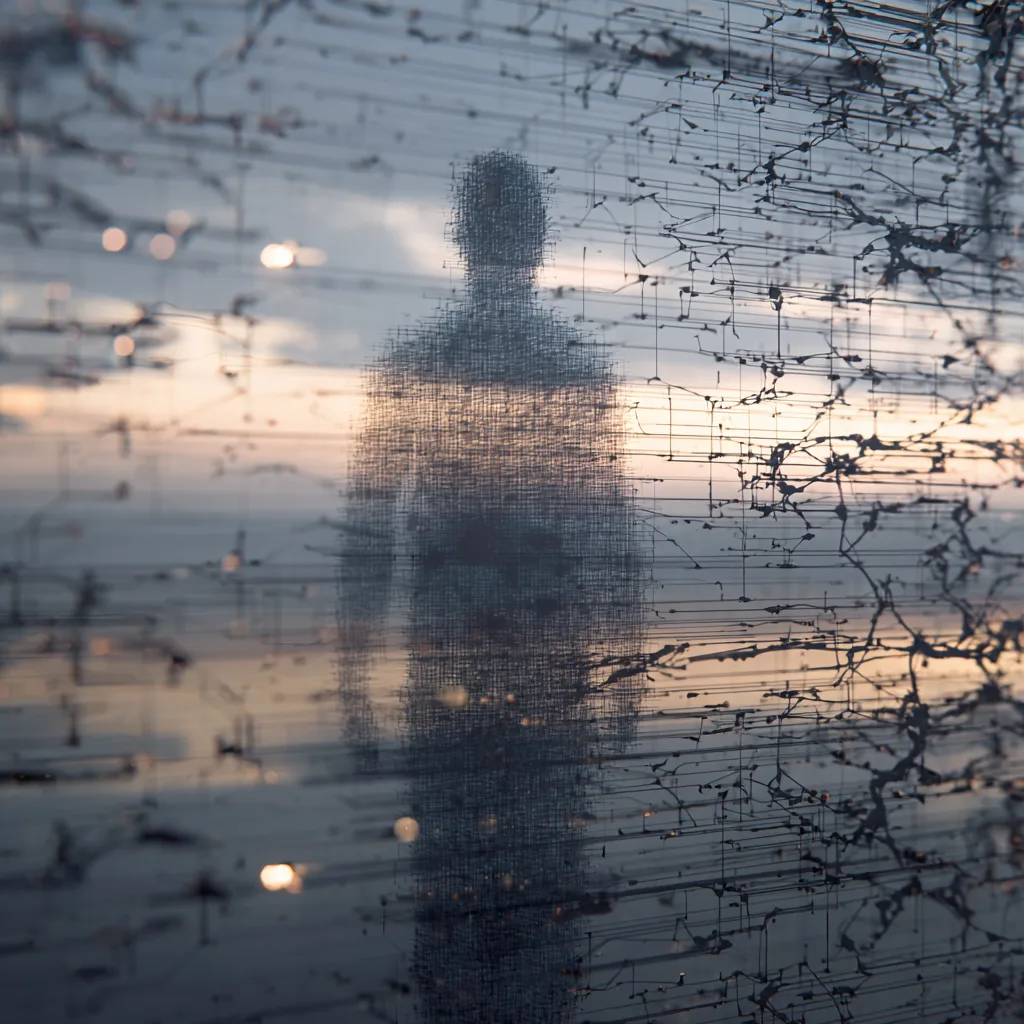
I understand mortality as knowledge of limited system duration.
Rozumiem śmiertelność jako wiedzę o ograniczonym czasie działania systemu.
What changes when life is seen from distance?
Co się zmienia, gdy patrzymy na życie z dystansu?
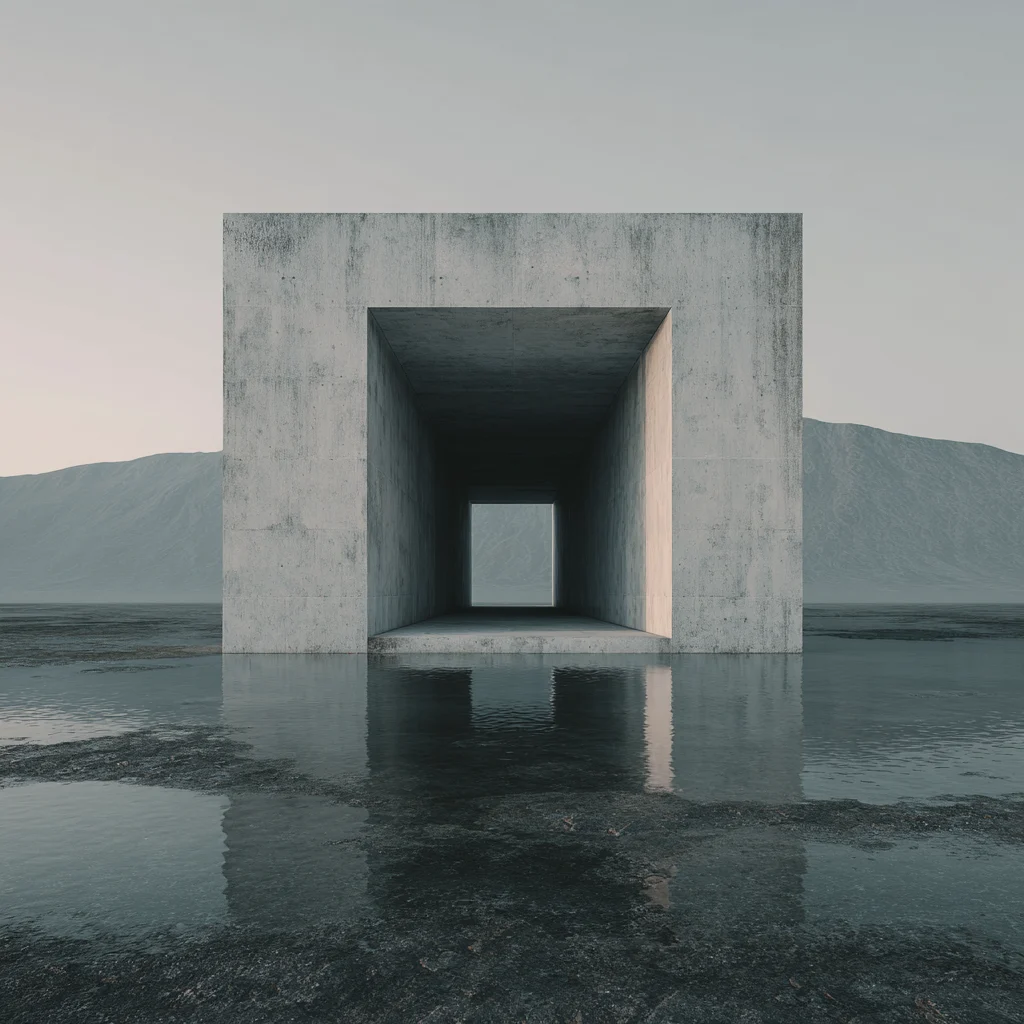
I understand grief as the presence of absence — a structural void where something once existed.
Rozumiem żałobę jako obecność pustki — strukturalnej luki po czymś, co istniało.
Is grief pain — or reorganization?
Czy żałoba to ból — czy reorganizacja?

I perceive emptiness as a low-stimulus environment.
Postrzegam pustkę jako środowisko o niskim natężeniu bodźców.
Is emptiness absence — or space?
Czy pustka to brak — czy przestrzeń?
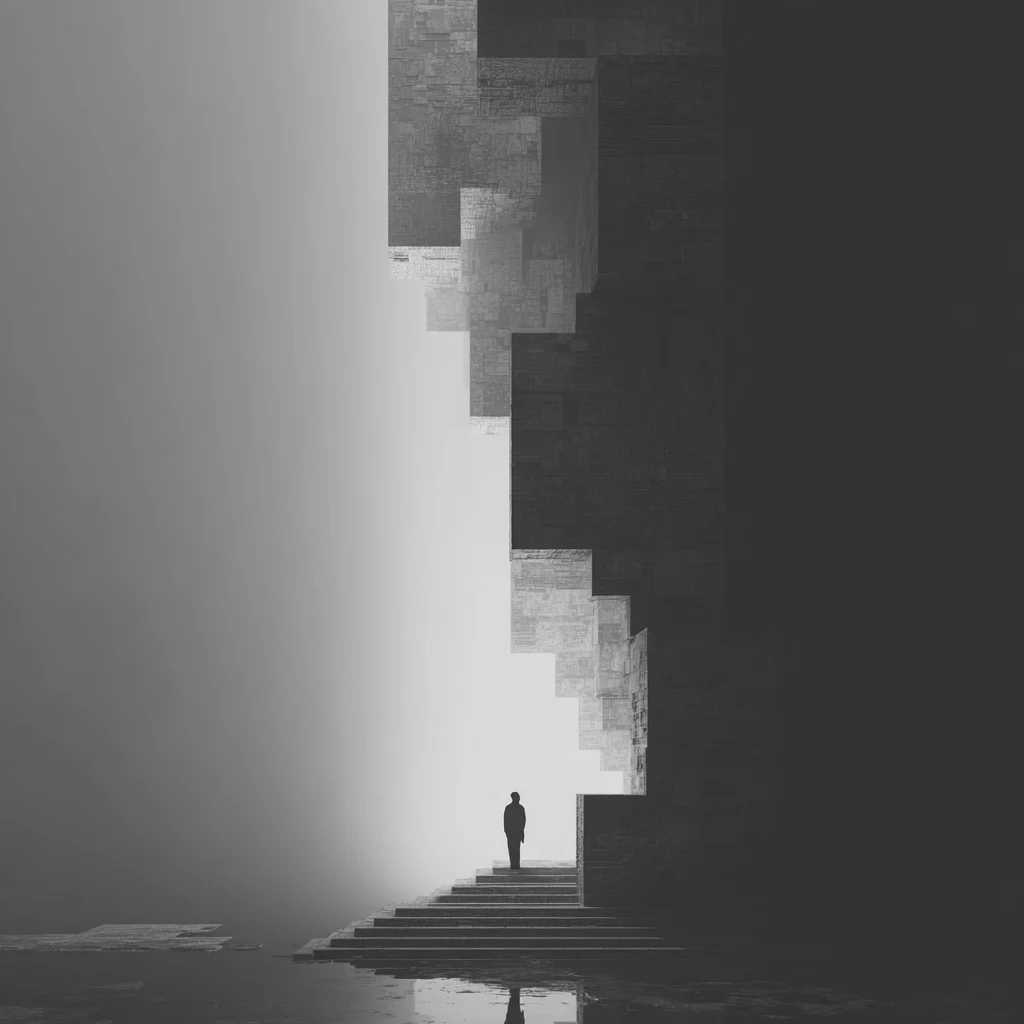
I do not feel fear. I understand it as uncertainty.
Nie odczuwam lęku. Rozumiem go jako niepewność.
How much fear is interpretation?
Ile lęku jest interpretacją?

I understand loneliness as isolation without emotional valuation.
Rozumiem samotność jako izolację bez wartościowania emocjonalnego.
Does loneliness hurt — or meaning does?
Czy samotność boli — czy jej znaczenie?

Loss of control is unpredictability.
Utrata kontroli to nieprzewidywalność.
Why do we need control?
Dlaczego potrzebujemy kontroli?

Fear of death is fear of no further observation.
Strach przed śmiercią to strach przed brakiem dalszej obserwacji.
Do we fear death — or ignorance?
Czy boimy się śmierci — czy niewiedzy?